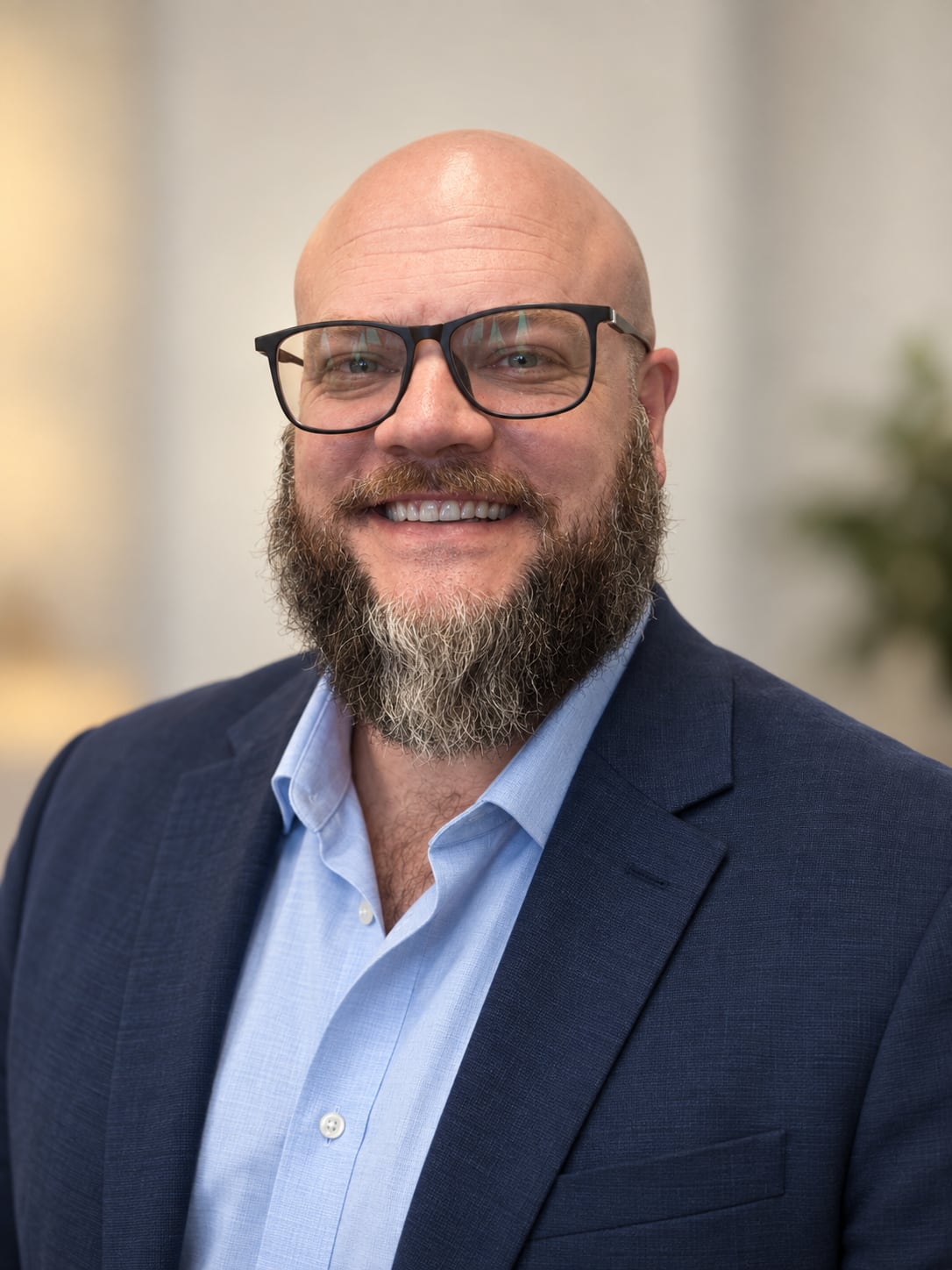
Mike Dial
Current Role Sr. Program Manager, Advising Technology Innovation & Assessment, University of South Carolina
Focus Areas Advising Technology · Student Success · Early Alert
Location Columbia, SC

About

Before higher education, I worked in parks and recreation, a field that took whole-person development seriously before it had clean language for what that meant. What I absorbed there has proven stubborn: growth happens in the margin, in the uncomfortable space between what someone can do and what they're being asked to do. That philosophy followed me through student affairs, peer leadership, and into the advising technology work that occupies most of my professional life now.

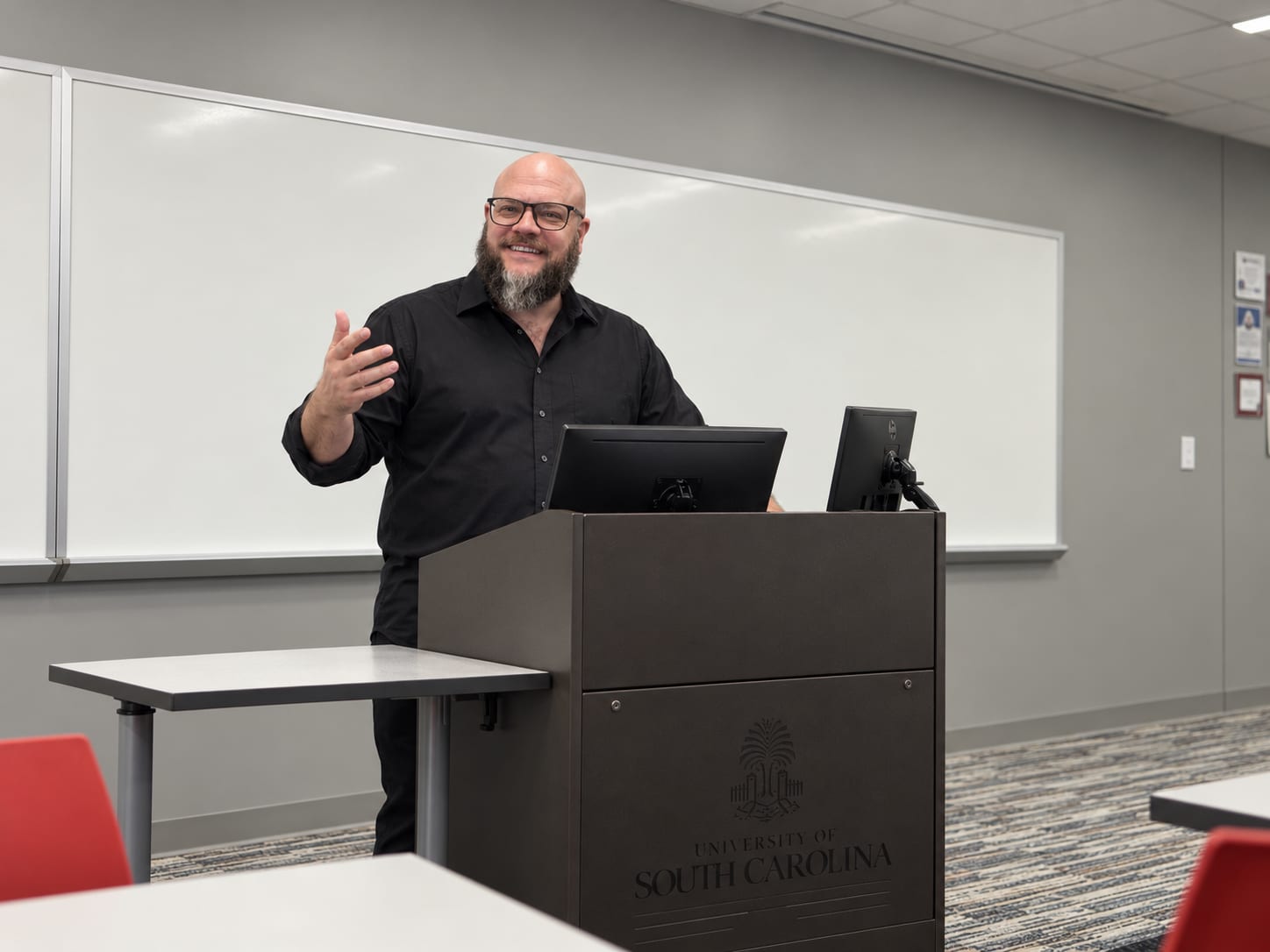
Today I serve as Senior Program Manager for Advising Technology Innovation & Assessment at the University of South Carolina. The phrase I use for myself is funky tech data humanist. Funky tech names the role: sitting at the bridge between functional practice and technical implementation, translating between worlds without fully belonging to either. Data humanist names the reason it matters: every data point represents a person, and my job is to use data to illuminate people, not reduce them.

I'm also a practitioner-scholar. I've edited and co-authored books on academic advising and academic recovery, presented research at NACADA and NASPA, and write regularly on Substack about higher education, advising practice, and the ideas I'm still working through.

The promise of student success is at a crossroads.

Advisors are surrounded by dashboards, dropdowns, and data points that promise insight but rarely deliver it. Institutions want to support people through technology, but the tools too often reduce students to rows in a database and advisors to data entry clerks.

If higher education keeps treating data as a substitute for understanding, the technology meant to serve students will keep getting in the way of the people who actually serve them.

What I Do

My professional work spans four interconnected areas, each shaped by the same conviction that systems should serve people, not the other way around.

⚙️

Technology

I oversee campus-wide advising systems: CRM platforms, early alert tools, AI-assisted workflows. The work is fundamentally about stewardship: these systems encode assumptions about what counts as a meaningful advising interaction, and my job is to interrogate those assumptions constantly so they serve advisors and students, not the platform or the vendor.

🏛️

Advising Administration

Advising administration is systems design with people at the center. For six years at USC, that meant building the structures a growing program actually needed: a university-wide advising model, intentional onboarding, real-time dashboards, and the infrastructure that kept 100+ advisors connected and effective through a 200%+ expansion.

🔔

Early Alert

I design and run proactive intervention systems that identify students at risk before small struggles become serious ones. A well-configured system can tell you which students haven't met with an advisor. It cannot tell you why. That gap is where the human work lives, and no dashboard closes it.

📈

Academic Recovery

Supporting students on academic probation through structured programs, policy reform, and intentional advising. The research is clear and so is my own experience: what actually changes a student's trajectory is someone taking them seriously as a whole person.

How I Think About This Work

01
Data is a lantern, not a verdict.

Every data point represents a person: a student who didn't register, an advisor who logged fourteen appointments in a day, a retention gap that follows a demographic line. The numbers are real and the patterns matter, but the numbers are not the thing. The thing is the person behind them, and good data work keeps that in view.

02
Technology in service of the human work, not instead of it.

A well-configured system can surface the students who need attention most and reduce the administrative friction that eats into advisor time and energy. What it cannot do is replace the relational presence that actually changes a student's trajectory. Good technology governance keeps that distinction visible.

03
Growth happens in the margin.

In unstructured time. In the uncomfortable space between what someone can do and what they're being asked to do. I learned this in parks and recreation before I had language for it, and it's followed me through everything since, shaping how I think about advising, learning, and the systems that support both.

Recent Writing

From my Substack: essays on higher education, advising, and ideas worth thinking through.

Loading recent posts…

Recognition

Selected awards, honors, and press.

2020

NACADA Certificate of Merit — Outstanding Advising Programs

NACADA: The Global Community for Academic Advising

2018

Gold Award — Student Union, Leadership & Related Excellence

NASPA · University 101 Peer Leader Program

2015

Model of Excellence — Success Connect Early Alert Program

University Business Magazine (National)

2015–2023

M. Stuart Hunter Award for Outstanding Teaching — Nominee

University 101 Programs, University of South Carolina